Succession Planning
Succession Isn’t a Strategy Problem.
It’s a Leadership Transition Problem.
Why Most Succession Plans Fail
Succession plans don’t normally fail because of capability. They fail because leaders, founders, and organizations aren’t truly ready for the transition.
We help you prepare for what actually determines success, through both executive coaching and leadership psychology.
When internal CEO transitions break down, it’s rarely due to technical skill.
It happens because:
-
The successor cannot hold enterprise-level complexity under pressure
-
Authority was transferred on paper—but never in reality
-
The founder struggles to truly let go
-
The organization hesitates to follow, creating instability and anxiety
These are not strategic failures.
They are human and psychological breakdowns in leadership transition.

You’re Asking the Wrong Question
Most succession planning asks: “Can this person do the job?”
But the real questions are:
-
Can this leader hold authority under pressure?
-
Will the organization and its customers actually follow them?
-
Can the founder release control without destabilizing the company?
Until these questions are answered, succession remains a risk—not a strategy.
What We Assess: The 5 Dimensions of CEO Readiness
We evaluate leadership readiness at a deeper level than traditional succession planning, including using both executive coaching and leadership psychology. We utilize the Universal Philosophy of Leadership (R), which harnesses the 11 most significant bodies of research on leadership effectiveness and ineffectivenes, to assess leaders on the functions that matter most during these times of transition.
1. Developmental Capacity
Can the leader handle complexity without defensiveness?
2. Enterprise Leadership
Do they think beyond their role and lead the whole organization?
3. Authority & Followership
Is authority truly granted—or still conditional?
4. Reactive Risk Profile
What breaks under pressure?
5. Transition Integrity
Will the organization stabilize—or destabilize?
Founder Readiness: Succession Fails When Founders Aren’t Ready
Succession isn’t just about the next CEO.
It’s about the founder’s ability to transition.
We assess:
-
Ability to separate identity from the CEO role
-
Capacity to truly release authority—not just titles
-
Emotional regulation under pressure
-
Evolution of relationships within the organization
-
Clarity on what comes next
Without this, even the strongest successor will struggle.
Where Succession Actually Breaks Down
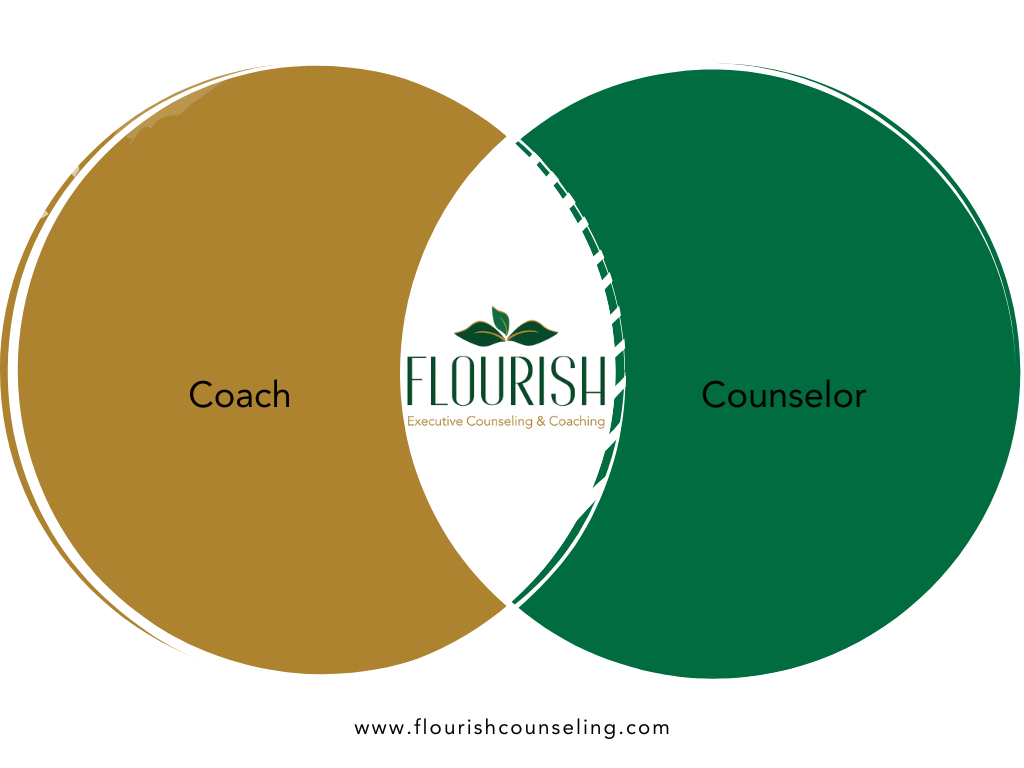
When both leader and founder readiness are considered, outcomes become clear:
-
Ready Leader + Ready Founder → Stable transition
-
Ready Leader + Unready Founder → Hidden constraint
-
Unready Leader + Ready Founder → Development needed
-
Neither Ready → High probability of failure
Succession success is not binary.
It’s systemic.
Our Process: A Structured Path to a Stable TransitioN
Why This Matters: The Cost of Getting This Wrong
Without a true succession strategy:
-
Founder exits are delayed
-
Buyer confidence is reduced
-
Organizational stress increases
-
Leadership teams lose clarity
-
Value is left on the table
Succession planning isn’t just about leadership.
It directly impacts valuation, timing, and long-term success.
For The Founders: You don’t just exit A company. You exit an identity.
Founders often underestimate the personal side of transition.
Without a “bridge plan,” it can lead to:
-
Loss of identity
-
Difficulty letting go
-
Relationship strain
-
Unclear next chapter
The most successful transitions don’t just prepare the business.
They prepare the person.
Not sure if you are ready as a founder to step away?
Download: 10 Steps to Using a Sabbatical to Test Your Readiness

It all starts with a conversation…
Succession doesn’t need to feel uncertain.
If you’re preparing for a leadership transition—or even considering it—let’s talk.
Schedule a Consultation
Schedule a consultation to make sure Flourish is a good fit for you.
Don't live in Denver? Videoconferencing is also available.